Huayna Picchu mountain is the most iconic symbol of the Inca citadel. Its name comes from Quechua and means "Young Mountain," in contrast to Machu Picchu mountain or "Old Mountain." Here are the most fascinating facts about this place:
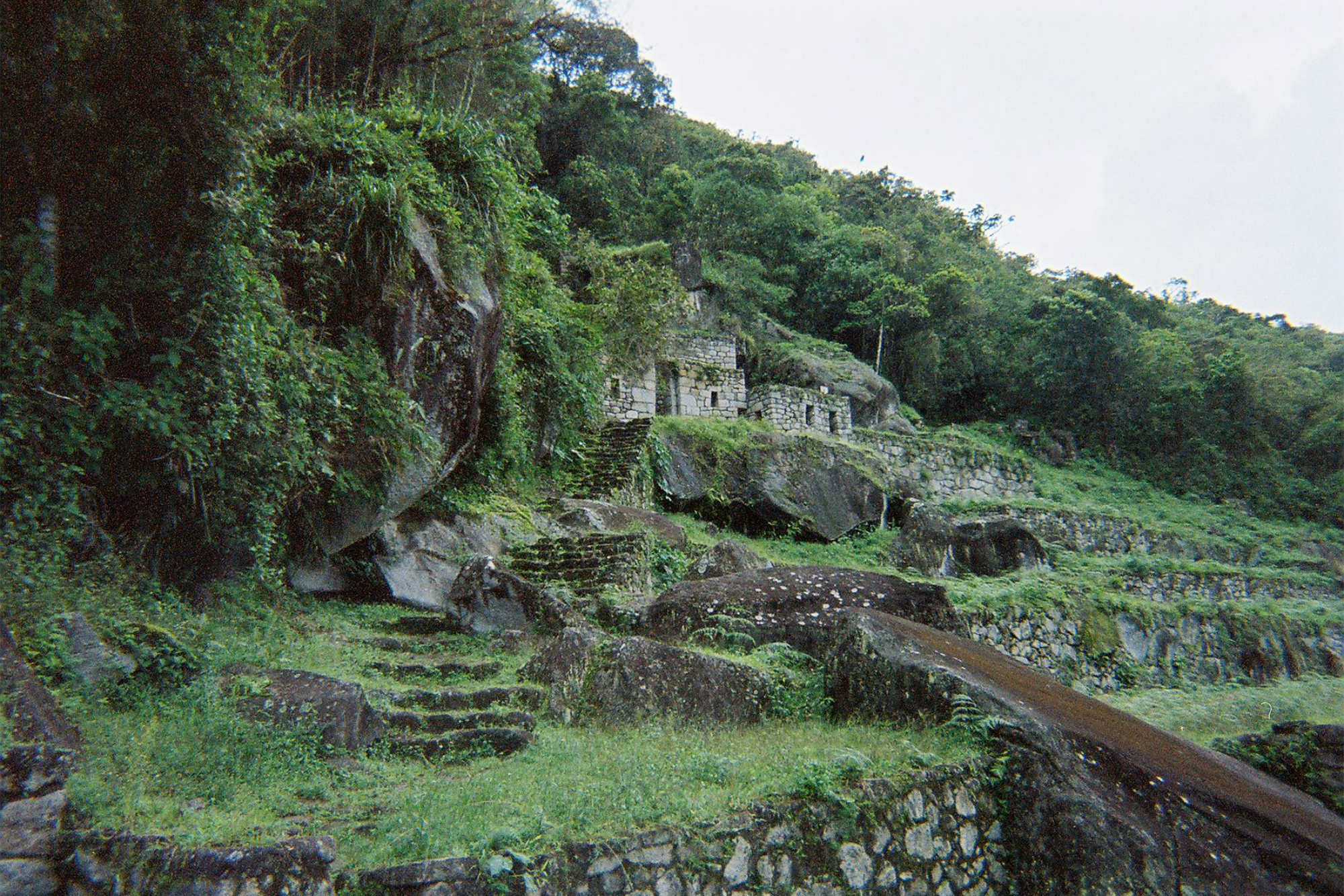
1. The Temple of the Moon
Unlike other structures in the citadel, the Temple of the Moon is built inside a natural cave. This impressive piece of fine masonry is located on the back of the mountain and can only be visited with the ticket that allows the ascent to Huayna Picchu.
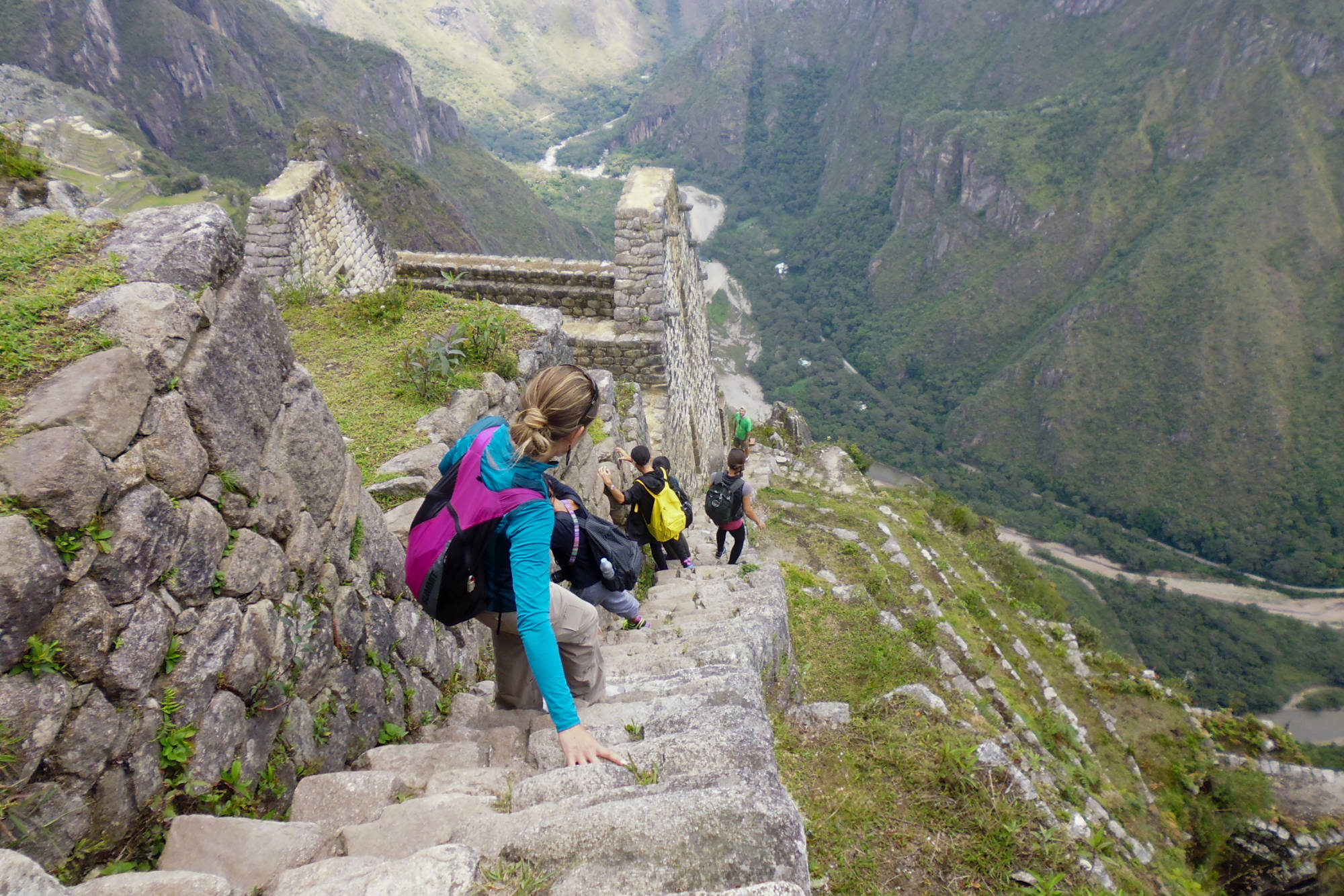
2. The Stairs of Death
Near the summit, there is a stretch of very steep stone steps popularly known as the "Stairs of Death." Although the name sounds alarming, no fatal accidents have been recorded; however, they require great concentration and a slow ascent due to their steepness and the direct view of the abyss.
3. Unique panoramic views
From the top of Huayna Picchu, located at 2,720 m.a.s.l., you get the most famous perspective of Machu Picchu. From this point, you can clearly see the condor shape of the Inca citadel and how it is surrounded by the Vilcanota River.
4. Constructions in impossible places
It is surprising to find terraces and small enclosures on the edge of vertical cliffs. These constructions not only served as surveillance points, but also to prevent mountain erosion and allow for agriculture in confined spaces.
5. Limited capacity and high demand
Due to the fragility of the terrain and the narrowness of its paths, only a limited number of people are allowed entry per day. This restriction makes it one of the most exclusive destinations and difficult to obtain if not booked months in advance.
Important note: The ascent requires moderate-to-high physical effort and takes approximately 1 to 2 hours (round trip), depending on the traveler's physical condition.